
If you run a website or a local business, SEO has been a topic of conversation again this week for two reasons at once. On one hand, according to Search Engine Roundtable, the November 2026 core update began rolling out on November 10. On the other, Google’s AI-generated answers (AI Overviews and AI Mode) take up more and more space in the results and, according to the same outlet, now appear in more than 80% of searches.
When an algorithm change and a new way of showing results coincide, there’s an enormous amount of noise: gurus promising to “rank in AI” with tricks, and website owners who panic when they see a chart move for a day. This guide separates what is known from what isn’t, summarizes what Google officially recommends and leaves you with a concrete five-step plan. The data is current as of November 11, 2026.
Quick summary
- The November 2026 core update has just started. Updates like this take time to complete, so don’t draw conclusions from a single day.
- For AI answers, the Google guidance reported by Search Engine Land doesn’t talk about new tricks: it asks for unique content, a good page experience and crawl access.
- More content isn’t better content. Merging or removing redundant pages usually pays off more than publishing another one.
- Measure the value of visits (leads, calls, sales), not just clicks.
In this article
What’s happening on Google
Search Engine Roundtable’s November report sums up the moment. Three useful facts to get your bearings:
- Chained updates: Google finished rolling out September’s spam update in October, there were unconfirmed volatility spikes and now the November core update arrives.
- AI increasingly present: AI Overviews appear in most searches and Google is testing changes to how it displays citations and links within those answers.
- Opaque measurement: Google doesn’t provide click data specific to AI answers. A small study cited by the outlet estimates a CTR close to 0.9%, a figure that should be taken with caution.
In addition, on November 9 the same outlet warned that the Search Console performance report was failing for many users, and that tracking tools aren’t entirely reliable. In other words: this week’s data is noisy.
The core update: how to react
A core update is a broad change in the systems Google uses to evaluate and rank pages. It doesn’t single out a specific website and it isn’t a penalty: some pages go up and others go down because Google is reassessing which results are most useful for each query.
The most sensible thing during the rollout is to do the opposite of what instinct asks:
- Don’t change the website all at once. Moving titles, structure or content in the middle of the rollout makes it hard to know what caused each variation.
- Note the start date and later compare full periods in Search Console, by pages and by queries, not by individual days.
- If you drop, analyze quality before tricks: which pages fell, what they have in common and what competitors’ content is rising now.
- Beware of “guaranteed recovery.” Nobody can promise to return to a position, and recovering can take months.
AI answers: what Google recommends
The most repeated question is whether you need “special” SEO to appear in AI answers. The guide Google published for site owners, which Search Engine Land summarizes, points in the opposite direction: the foundation is the same as always. Its eight recommendations are:
- Create unique content that’s valuable to people.
- Provide a good page experience.
- Make sure Google can access the content.
- Manage visibility with preview controls.
- Make structured data match the visible content.
- Go beyond text: quality images and videos.
- Understand the full value of visits.
- Evolve with user habits.
Two important nuances. First, preview controls (nosnippet and max-snippet) also apply to AI content, so you can limit how your website is shown, at the obvious cost of losing visibility. Second, Google states that clicks from AI are higher quality, while some studies suggest CTR drops; Google hasn’t clarified that discrepancy. That’s why it’s best to measure leads and sales, not just visits.
A five-step plan for this week
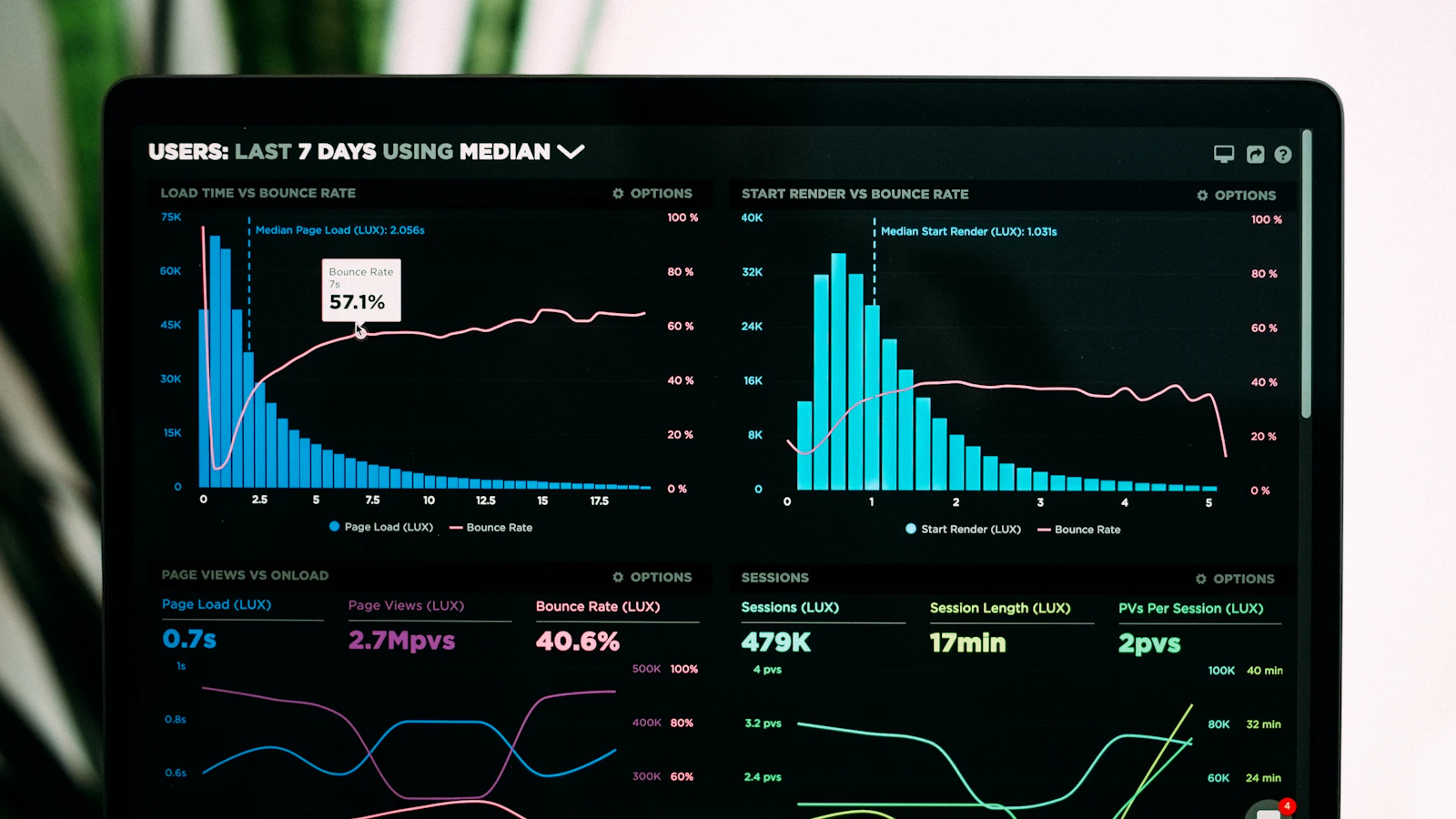
- Set your starting point. Export performance by pages and queries for the last few weeks from Search Console, to compare once the rollout ends.
- Take a content inventory. According to Cyberclick, which summarizes Google’s Search Off the Record podcast, the underlying idea is that instead of having five articles on the same thing, it’s better to have one really good one. Merge, update or remove pages that overlap with each other.
- Strengthen what only you can tell: your own experience, real cases, your own photos and a visible byline. We give you ideas in how to write content that ranks without sounding like a robot.
- Review the technical foundation: that Google can crawl and index your pages, that performance (Core Web Vitals) is sound and that structured data reflects what the user sees. Our technical SEO checklist works as a guide.
- Measure what matters: calls, forms, WhatsApp messages and sales. If a page brings fewer clicks but more leads, you don’t have a problem.
WordPress and builders: what changes
None of the above depends on your website being built with Elementor, Bricks, Etch or the native editor. Google values the result: useful pages that load fast, with a clear heading structure and code that can be crawled without obstacles. Any builder can deliver a good result or a terrible one depending on how it’s configured.
What does deserve a review on any WordPress site: well-structured headings, optimized images, few heavy add-ons and unique titles and descriptions on every important page. In Etch vs. Gutenberg we explain how we approach speed and clean HTML.
Frequently asked questions
Do I need new techniques to appear in AI answers?
According to Google’s guide, there is no separate SEO: useful and unique content, a good experience, crawl access and consistent structured data. Beware of anyone selling secret formulas to “rank in AI.”
My traffic dropped this week. Is it because of the core update?
It could be, but it’s too early to say: the rollout has just started, volatility is high and Search Console has had failures. Wait until it finishes and compare full periods.
Should I limit Google from showing my content in AI?
Controls such as nosnippet and max-snippet exist, but they reduce your visibility. For most small businesses, being cited and seen matters more than protecting yourself. Decide based on your case.
Does publishing more AI-generated content help?
Publishing more doesn’t mean ranking better. Google recommends manually reviewing and verifying AI-generated content and warns against misleading authorship information. Better to have fewer pieces, but useful and signed.
Want to know how your website’s SEO is doing?
Tell us about your case and we’ll review your site’s technical and content foundations before the rollout ends.
Sources and recommended reading
- Search Engine Roundtable: Google webmaster report, November 2026
- Search Engine Roundtable: ranking volatility, November 8 and 9
- Search Engine Land: Google shares 8 ways to succeed in AI search experiences
- Cyberclick: Google’s recommendations for the new SEO in the AI era
- Google Search Status Dashboard: ranking updates